Free UK shipping on every order · 14-day money-back guarantee
Track your order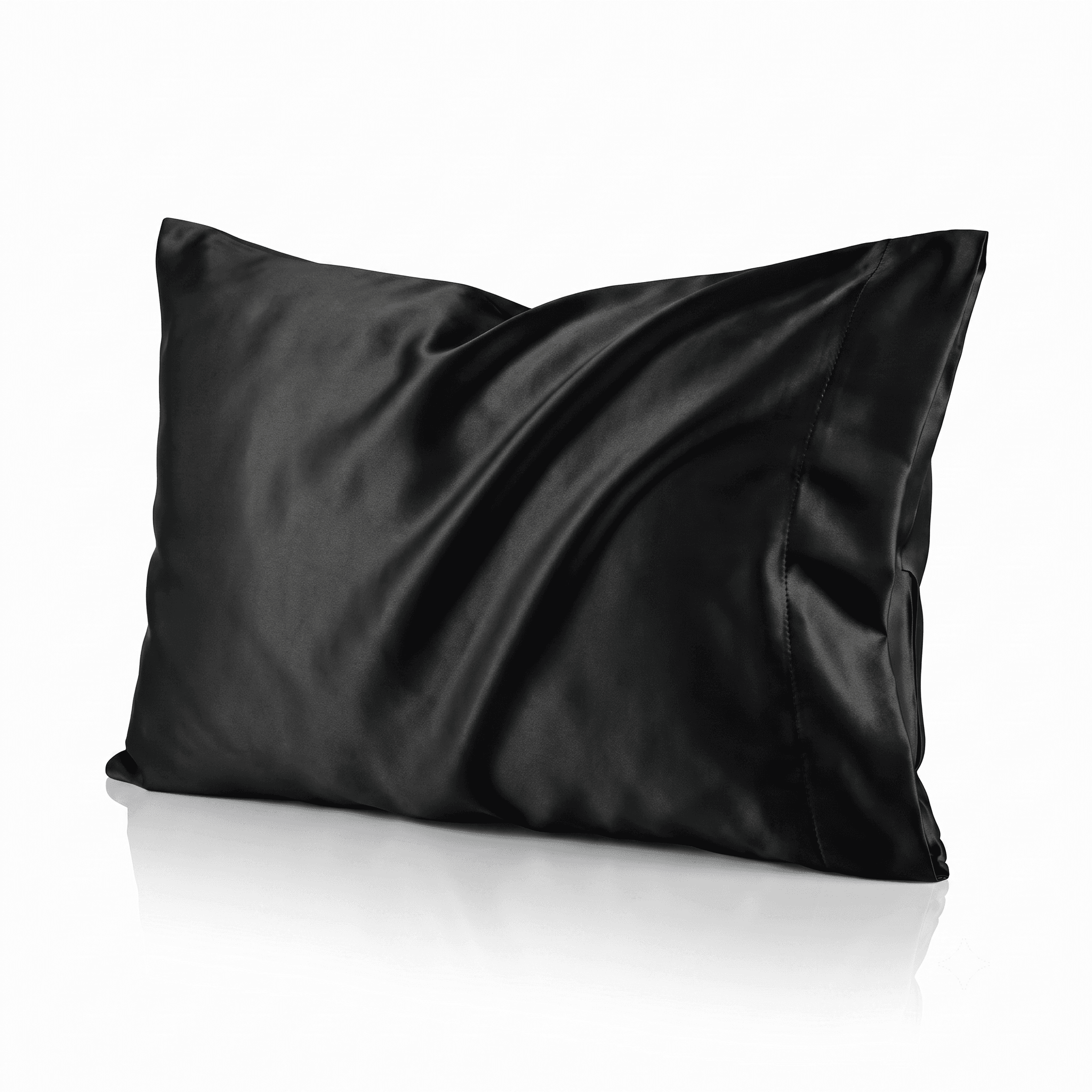
Low Stock
Haircare
Written and reviewed by the Lumavir beauty-tech team. We research the at-home beauty devices we sell and keep every product detail factual and current. Last updated July 2026.
£14.99
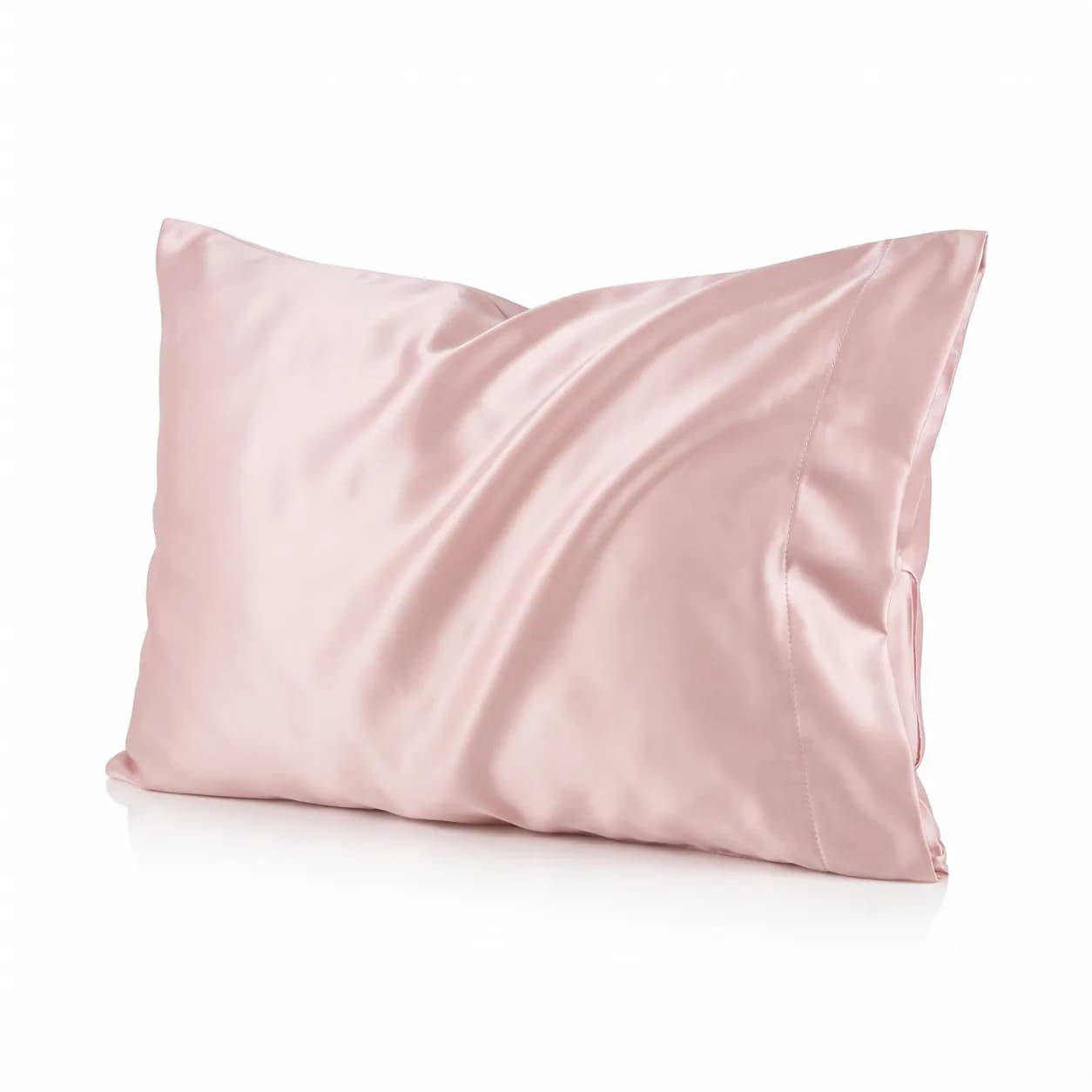
A satin pillowcase in three sizes and three colours, for people who are tired of waking up with flattened curls and a pillow crease down one cheek. Less friction than cotton, which is the whole mechanism and the whole promise.
Bundle & Save
1 Piece
£14.99
£17.99
2 Pieces
You get 31% off!
£25.00
£35.98
Colour

3 Pieces
You get 33% off!
£36.00
£53.97
Lumavir mostly sells devices. This is the exception, and it is here because it is the cheapest thing in the range that people notice within a week.
The mechanism is friction, and it is genuinely simple. Cotton has a comparatively rough, absorbent surface. Your head moves across it a few dozen times a night, and the result is hair dragged out of shape, tangles at the nape, and the creases pressed into one side of your face that take an hour to fade. A satin weave has a much smoother surface, so hair slides across it rather than catching. That is the entire idea. It is not doing anything to your hair chemically, and it is not a treatment.
Now the thing this page has to be honest about, because the search results for satin pillowcases are full of listings that are not. This is satin, not silk. They are not the same and they are not interchangeable, even though a lot of sellers write "silk satin" to blur the two. Silk is a natural protein fibre. Satin is a weave, usually made from polyester, and the Sleep Foundation puts the practical difference plainly: silk "is typically more breathable than satin made with synthetic materials", so "hot sleepers may therefore prefer the superior temperature control of silk pillowcases". If you run hot at night, that is a real consideration and silk is the better buy. We would rather tell you that than sell you the wrong thing.
What satin gives you instead is most of the friction benefit at a fraction of the price, and it washes without ceremony. Silk pillowcases start around £16 and run past £100 for high-momme mulberry, and they want careful washing. Satin is the pragmatic version of the same idea.
Who actually notices a difference: people with curly, coily, fine or bleached hair, anyone growing out damage, and anyone who wakes up with a sheet pattern on their face. Curl-focused brands have built whole product lines around this for a reason. If you have short, thick, robust hair and you sleep still, you will probably notice very little, and that is a fair reason not to buy one.
We checked the UK search results for "satin pillowcase" in July 2026 and the market is wider than people expect. Marketplace singles and two-packs run £3.99 to £11, which is where most of the volume sits and where quality is genuinely variable. Mid-market single cases are £12 to £17. The hair-community brands, the ones with big followings, sit at £19 to £25 for a single case. We priced this at £14.99, between the commodity end and the brand end, in three sizes including a proper king. You are paying for size options, three colours and a UK returns policy rather than for a name.
Sizes matter more than people expect here, because a standard case on a king pillow rides up all night and undoes the point of it. Standard is 50x66cm, queen is 50x75cm, and king is 50x92cm, in black, white and pink.
a smoother weave means hair slides instead of catching, which is the whole mechanism behind fewer tangles and less morning frizz.
a standard case stretched over a king pillow rides up all night. Standard 50x66, queen 50x75, king 50x92.
the friction that tugs hair also folds skin. Less of one tends to mean less of the other.
satin takes a normal cool wash. Pure silk wants careful handling and costs £16 to £109.
For some people, noticeably, and for others, hardly at all. The mechanism is friction: cotton has a rougher, more absorbent surface than satin, so hair catches and drags as you move at night. A smoother weave lets hair slide instead. Fewer tangles, less morning frizz, and fewer creases pressed into your face are the realistic outcomes.
Who notices most is fairly predictable. Curly, coily, fine or chemically treated hair suffers most from overnight friction, so those are the people who tend to see a change within a week. Short, thick, robust hair on a still sleeper will show much less difference, and we would rather say so than take the sale.
What a satin pillowcase does not do is change your hair. It is not a treatment, it does not repair damage, and it will not grow hair. It reduces mechanical wear while you sleep. The Sleep Foundation notes that satin and silk "both have a supple texture that can promote skin and hair health", while pointing out that silk, as a natural fibre, is typically more breathable than satin made from synthetic materials. If you sleep hot, weigh that up before choosing.
Wash it before first use, on a cool gentle cycle.
Match the case to your pillow size. Standard 50x66cm, queen 50x75cm, king 50x92cm.
Put it on the pillow you actually sleep on, not the decorative one.
Give it about a week before judging. The difference shows in accumulated mornings rather than the first one.
Keep a second one in rotation so there is always a clean case on the bed.
Satin Pillowcase
£14.99
 LUMAVIR