 LUMAVIR
LED Therapy
LED Light Therapy Devices
Browse Lumavir LED devices by format: a seven-colour face mask, an LED eye mask and a 4-in-1 wand. Check each product page for its current specifications, instructions and terms. For a feature-by-feature buying comparison, read our LED mask guide.
3 products · Free UK shipping on every order
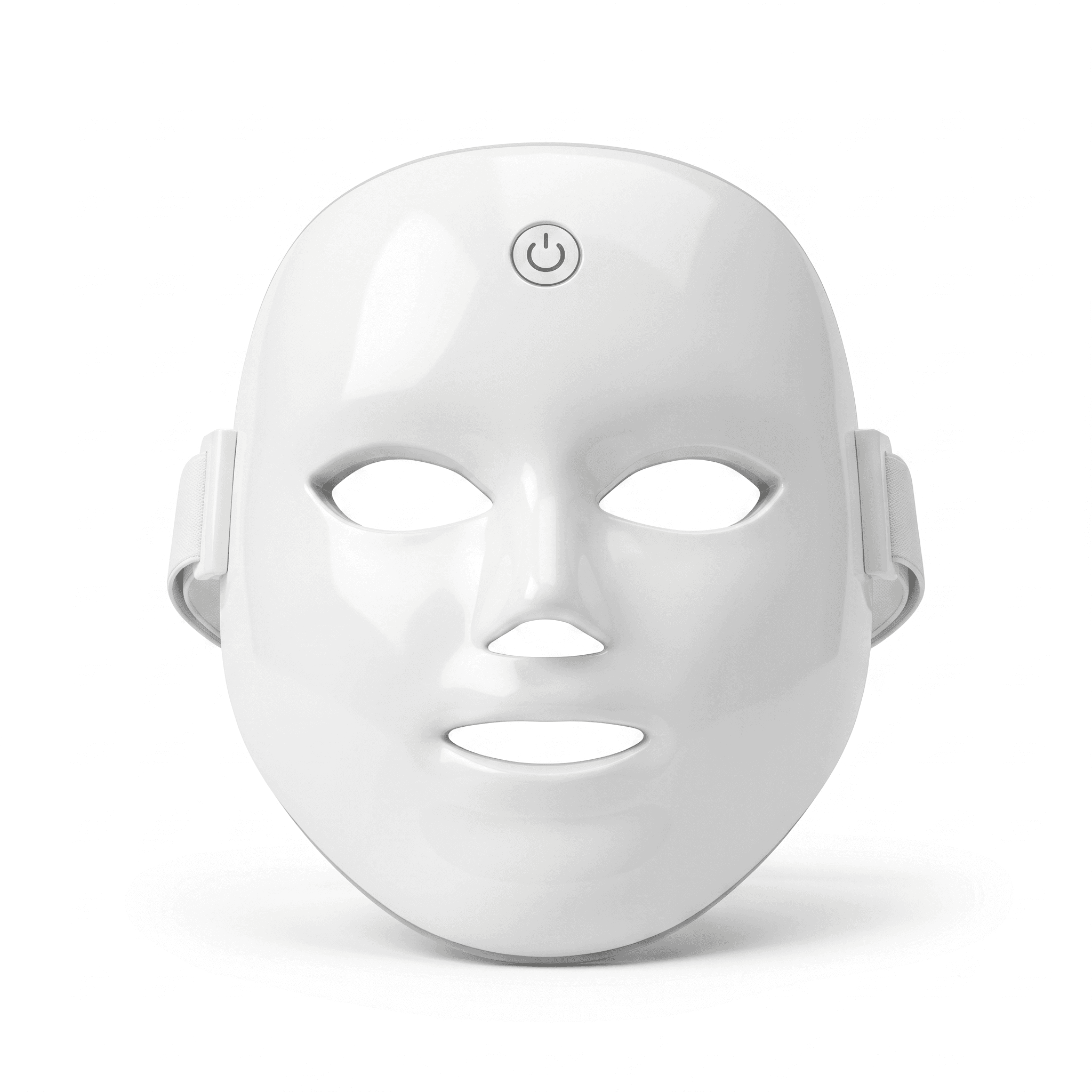
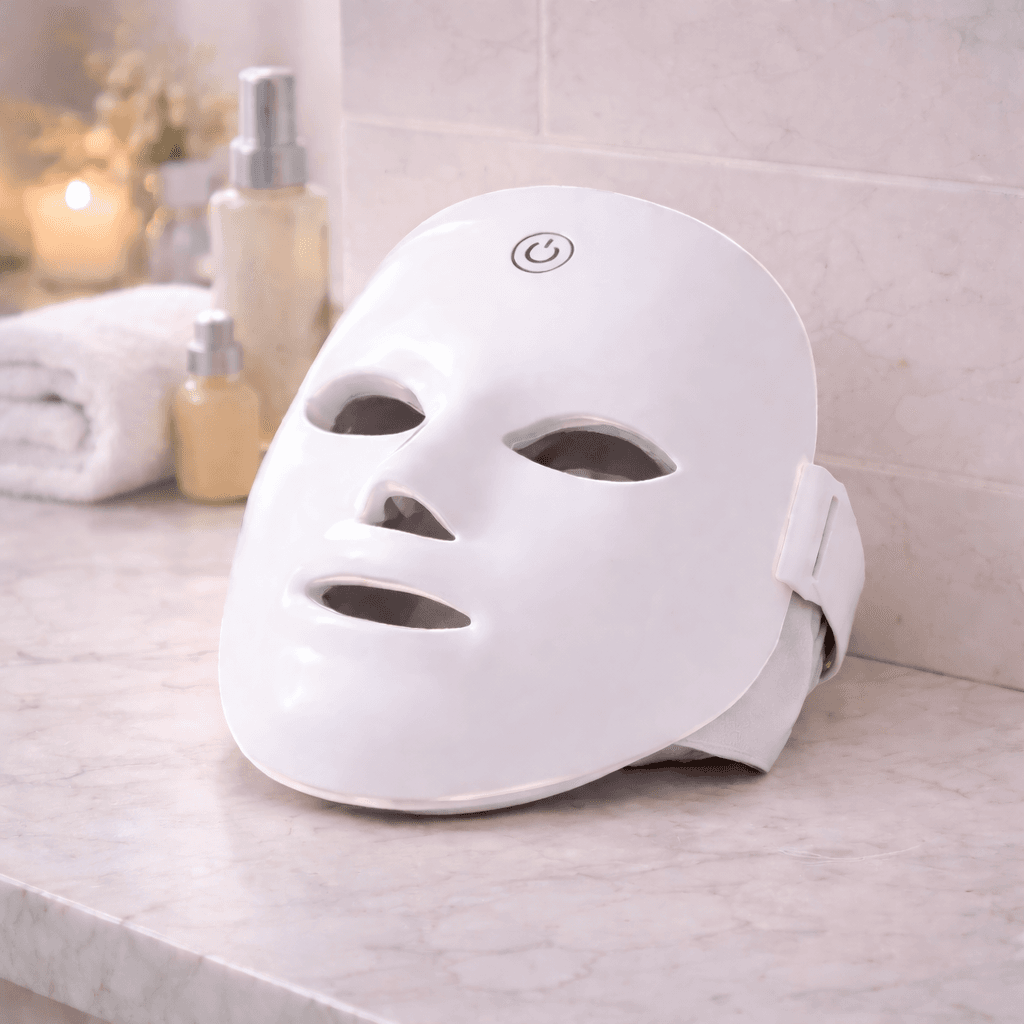
Featured: the 7 colour red and blue LED face mask
One wireless mask, seven visible light modes. Red, blue, green, yellow, orange, purple and white across 90 LEDs. Hands-free, £37.99 with free UK shipping.
Compare LED masks by published features
See the price, documented wavelengths, coverage, session guidance, returns and what each maker does not publish.
Read the evidence: do LED face masks actually work?
Before you spend anything, this one goes through what the published research does and does not support, which wavelengths are studied, how long results take, and who should not use one.
What red light therapy does
Red light therapy, sometimes called LED therapy, uses specific wavelengths of light to prompt activity in the skin. Red and near-infrared light, broadly the 600 to 1000 nanometre range, are the most widely studied wavelengths in dermatology and skin care: people use them to support a more even tone, softer fine lines, and a calmer-looking complexion. Blue light is the other common mode, studied in clinical acne research; cosmetic masks are not acne treatments.
A multi-colour device like our 7 colour LED face mask gives you both in one tool, so you can switch modes depending on what your skin needs that week. Unlike acids or retinoids, LED therapy uses no heat or harsh actives, so it tends to suit sensitive skin and builds its effect gradually. None of this is a quick fix. The point of an at-home mask is consistency: ten to twenty minutes, a few times a week, without paying salon prices each visit.
How to choose an LED device
Three things decide which LED face mask is the best fit for you in the UK: coverage, comfort, and the modes you will actually use. A full-face mask treats everything at once, while a wand or an LED eye mask targets a smaller area such as the under-eyes or laugh lines. Weight and strap fit decide whether you wear it for the full session or give up after five minutes, so ours are built to sit hands-free.
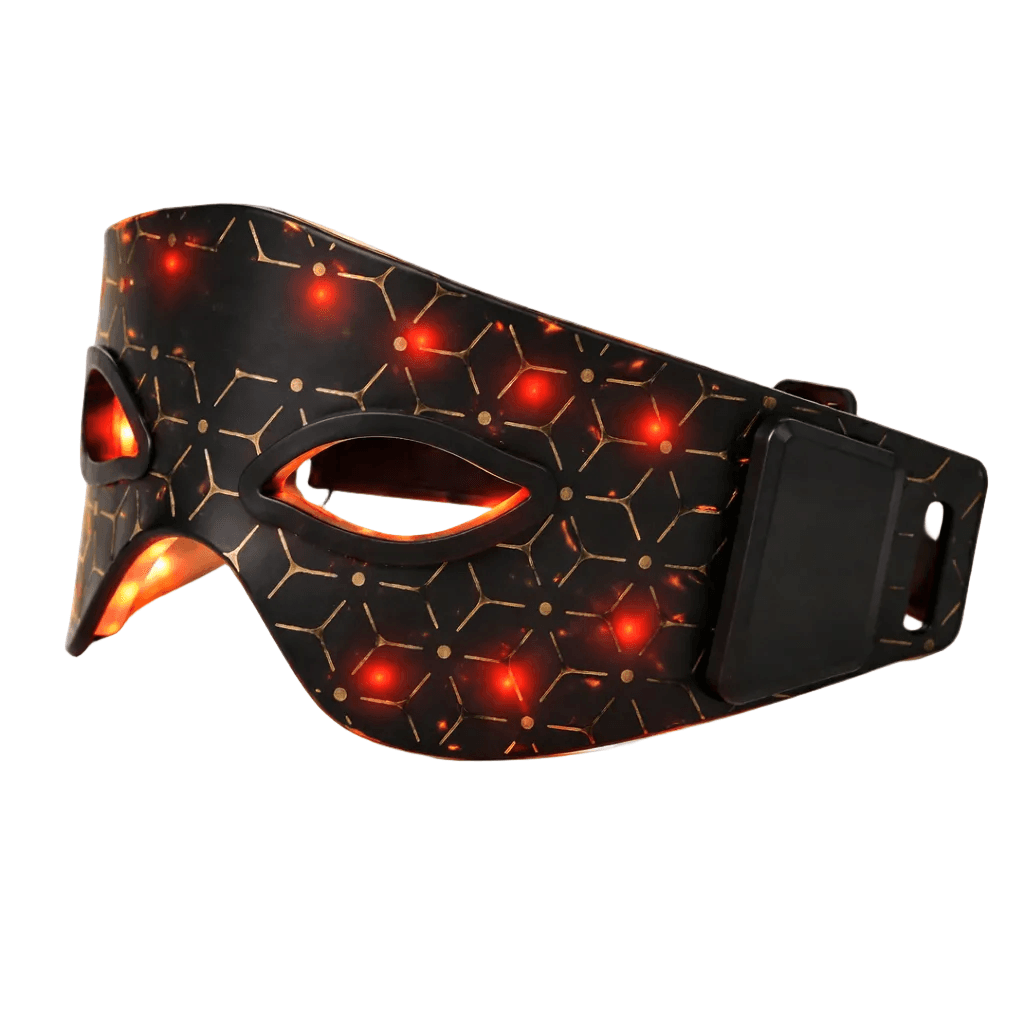
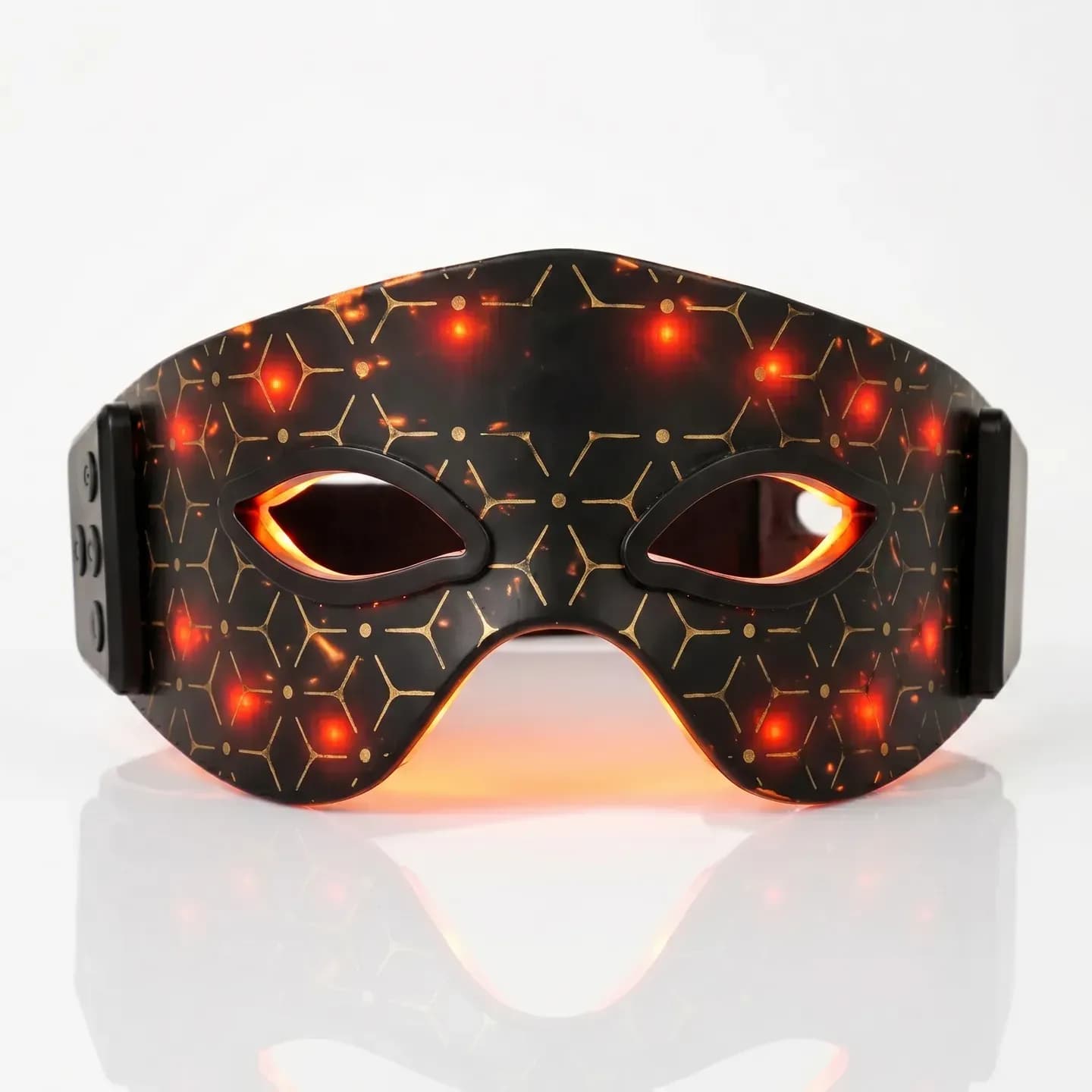
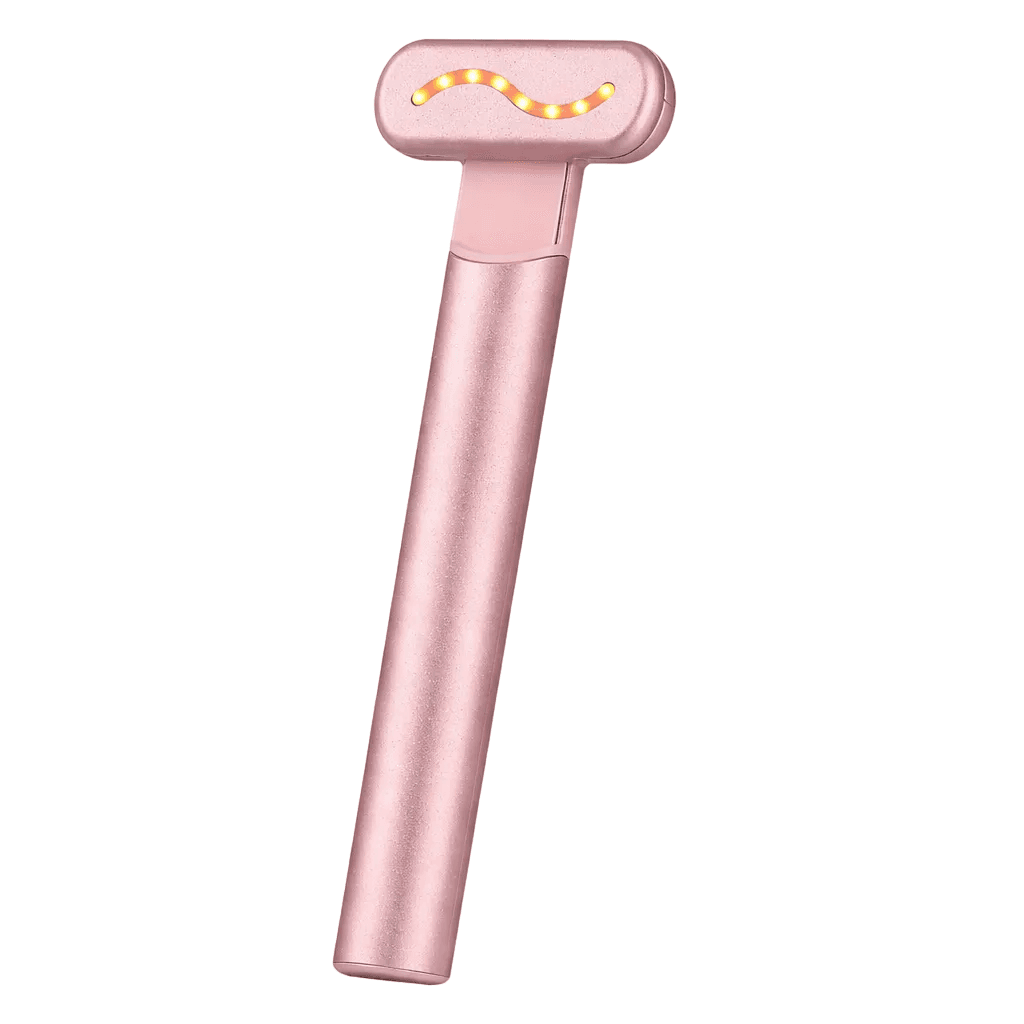
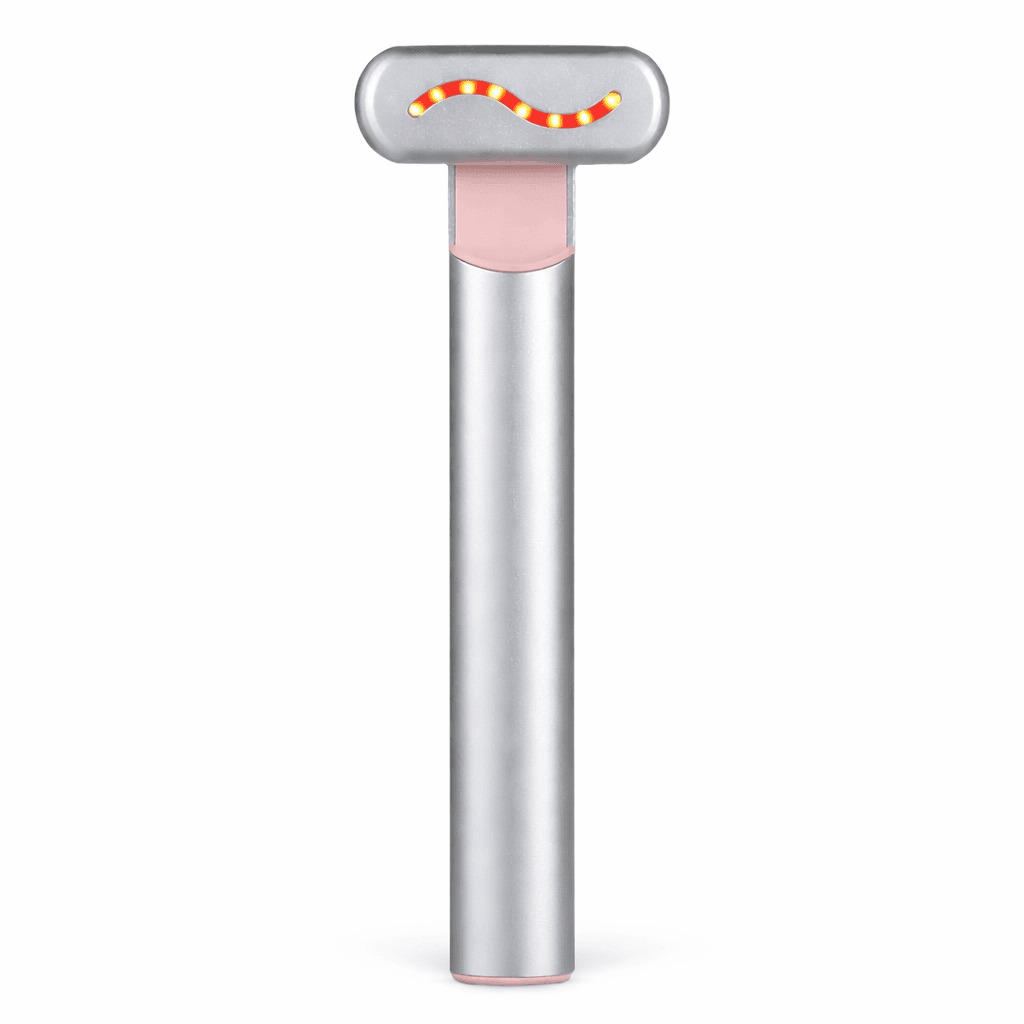
If red light is what you are after, look for red and near-infrared. If you also want a blue mode, choose a multi-colour mask. New to it? The 7 colour mask is the most flexible starting point, since it covers more than one concern in a single device. If tired eyes or screen strain are the issue, the LED eye mask is the more focused buy, and the 4-in-1 wand suits anyone who wants light plus warmth and microcurrent massage in one device.
Getting the best results at home
Start on clean, dry skin with nothing reflective in the way. Run a session of ten to twenty minutes, then follow with your usual serum and moisturiser while the skin is primed, since clean, warm skin tends to take in the next layer more readily. Most people land on three to five sessions a week and keep them short rather than long.
Keep your eyes closed during a session and follow the guide in the box. If you are pregnant, taking photosensitising medication, or managing a skin condition, check with a professional before you start. Red light is gentle, but sensible, regular use is what makes it worth your time.
Why we built the range this way
We kept this collection small on purpose. Rather than sell a dozen near-identical gadgets, we chose three devices that each do a distinct job: a full-face 7 colour mask for all-over treatment, an LED eye mask for the area that shows tiredness first, and a 4-in-1 wand for targeted work with added warmth and microcurrent. Each one is built around the same idea, that a device only helps if it is comfortable and simple enough to use regularly.
Lumavir is a UK business based in Bristol. Every order ships free within the UK, and 14-day returns give you time to settle into a routine before you commit. If you are unsure which device suits your skin, the team is a quick email away at [email protected].
Frequently asked questions
- Does at-home red light therapy actually work?
- It is not an overnight fix, but used consistently, three to five short sessions a week, many people see a more even tone and softer fine lines over a few weeks. Red and near-infrared light, broadly the 600 to 1000 nanometre range, are the most studied wavelengths for skin.
- How often should I use an LED face mask?
- Most routines are ten to twenty minutes, three to five times a week. Shorter regular sessions work better than occasional long ones.
- Is a 7 colour mask better than a single-colour one?
- If you want flexibility, yes. You get red, blue and five more visible modes in one device, so you can change modes within your routine. It does not include near-infrared; the LED eye mask does.
- Is LED therapy safe for sensitive skin?
- LED therapy is non-invasive and uses no heat or acids, so it tends to suit reactive skin. Keep your eyes closed, follow the included guide, and check with a professional if you are pregnant or on photosensitising medication.
- Can I use an LED face mask with my other skincare?
- Yes. Use the mask on clean, dry skin, then apply your serum and moisturiser afterwards while the skin is primed. Avoid reflective or metallic products during the session itself.
Last updated 24 October 2026. Questions? Email [email protected].