Free UK shipping on every order · 14-day money-back guarantee
Track your order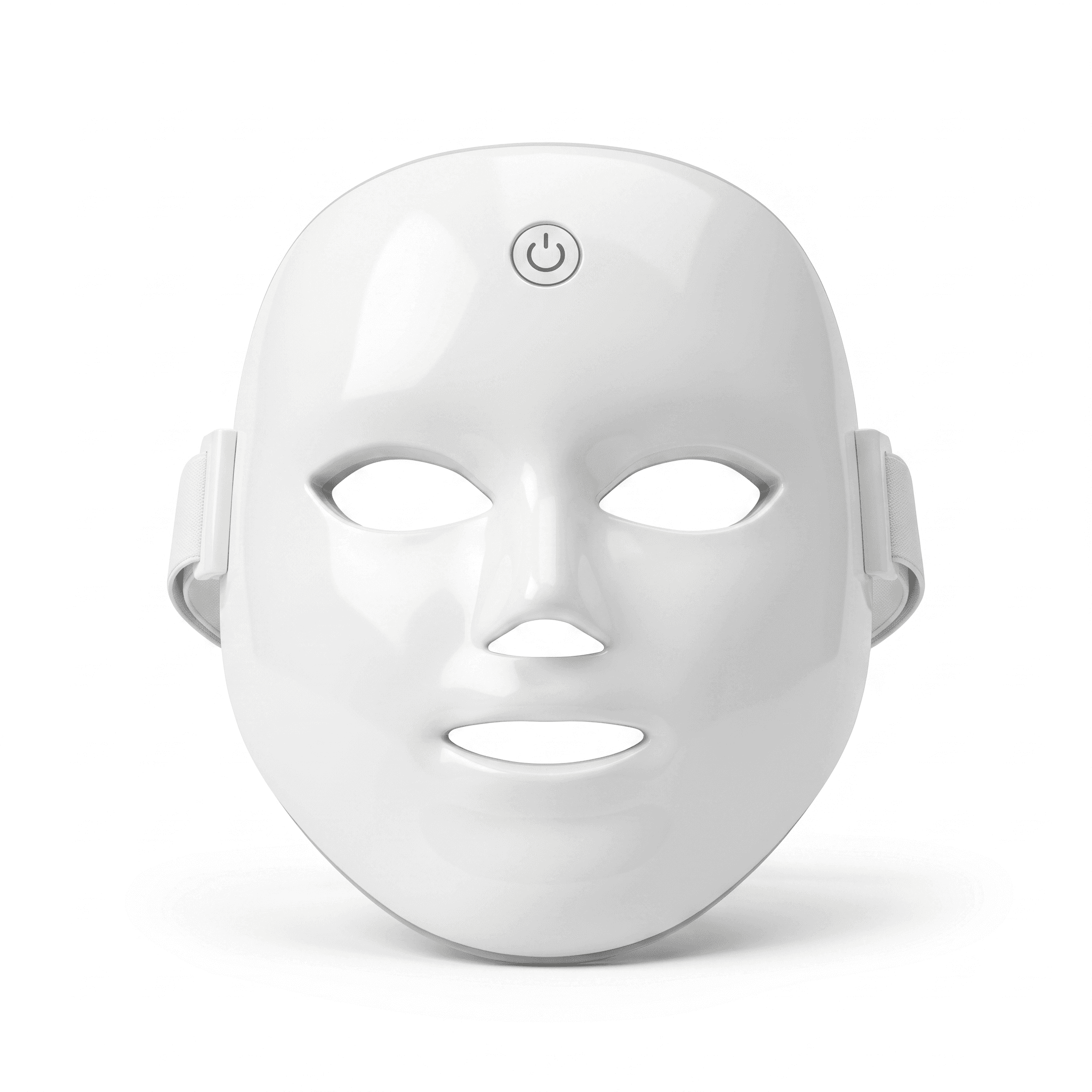
Low Stock
LED Therapy
Written and reviewed by the Lumavir beauty-tech team. We research the at-home beauty devices we sell and keep every product detail factual and current. Last updated June 2026.
£37.99
£44.99
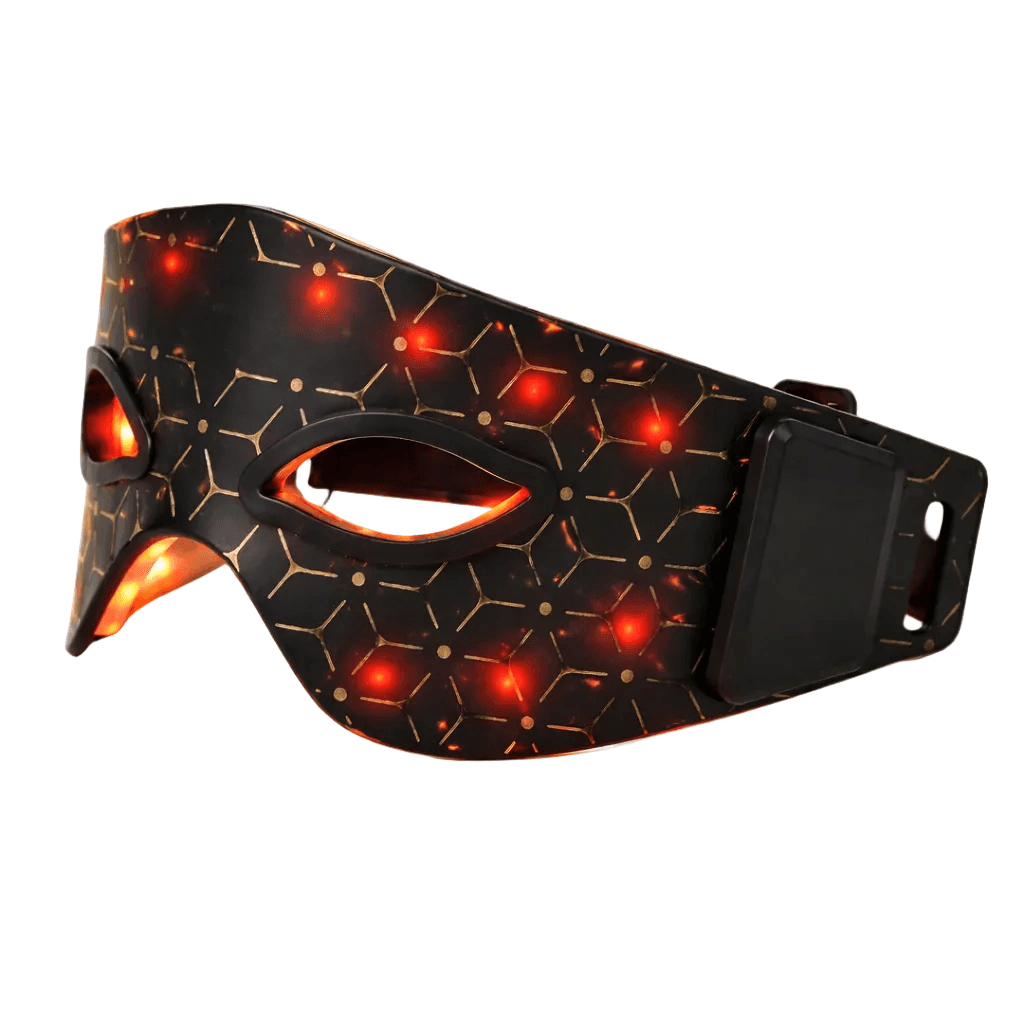
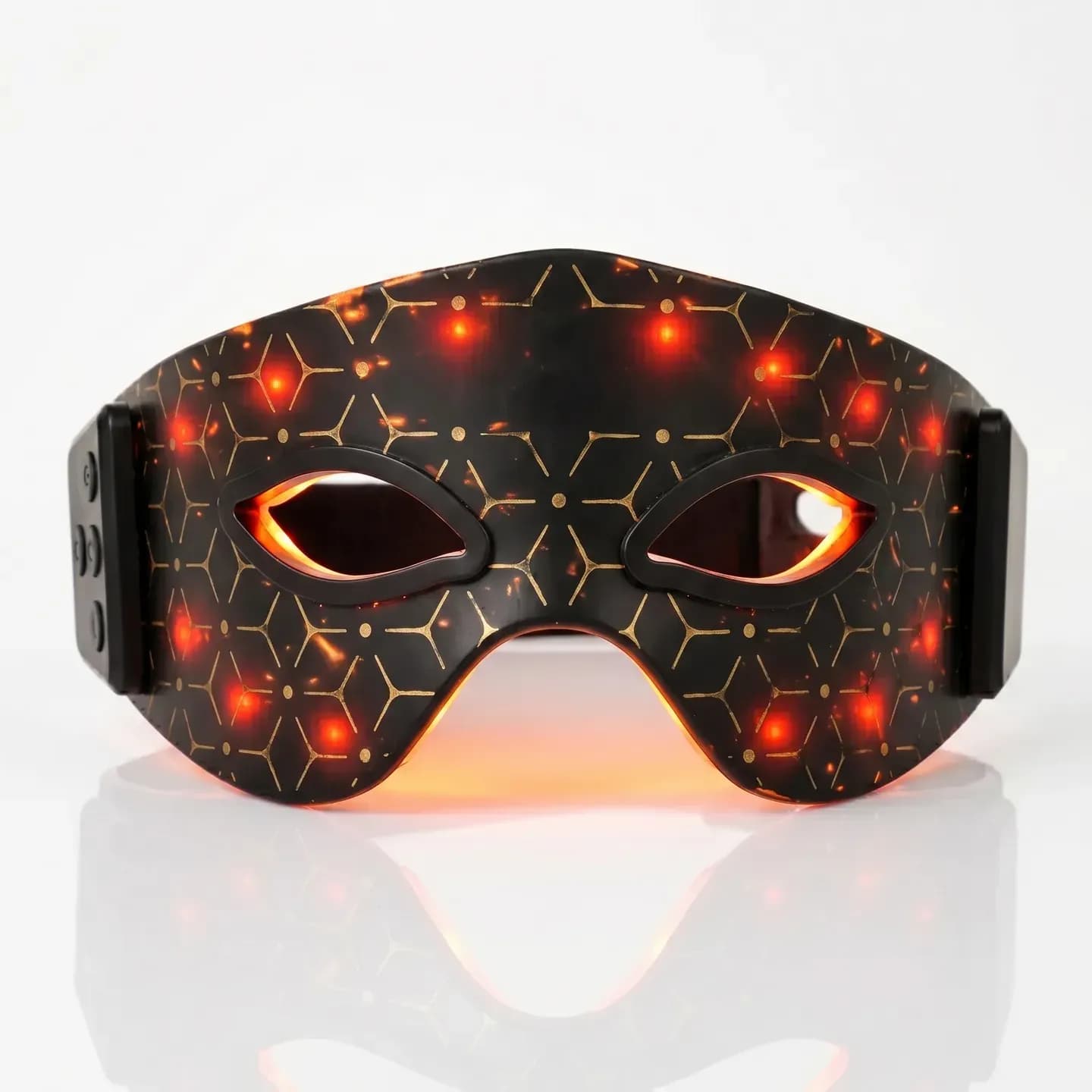
Save 16%The Lumavir 7 colour LED face mask brings red light therapy home. Ninety LED beads cover your whole face in even light, with seven colour modes and a wireless, touch-control design you can wear hands-free for ten to fifteen minutes a few times a week.
Bundle & Save
1 Piece
£37.99
£44.99
2 Pieces
You get 28% off!
£65.00
£89.98
3 Pieces
You get 33% off!
£91.00
£134.97
Lumavir designs at-home beauty-tech to bring treatments like red light therapy into an everyday routine, without salon prices or the £300-plus tag of premium masks.
Red light therapy uses specific wavelengths of visible light on the skin. Red light in skincare devices sits at roughly 630 to 660 nanometres, the most studied part of the visible spectrum for skin, which is why it leads the name of this seven colour mask. The 90 LED beads sit close to the skin and light the full face evenly rather than one patch at a time, so every session is consistent and hands-free. This is a visible-light mask: it does not add invisible near-infrared light (around 830 to 1070 nanometres) that some deeper-targeting devices use, so what you see is what is working. Independent health resources such as Cleveland Clinic describe red and LED light therapy as an emerging treatment that shows promise for skin, while noting that more clinical research is still needed: a realistic frame to keep in mind.
Each colour is a mode you choose with the touch control to suit your routine and how your skin feels: Red, the most studied wavelength in skincare, used for overall radiance and the look of fine lines. Blue, commonly associated with blemish-prone and oily skin. Green, used for the look of a more even, balanced tone. Yellow, a gentle mode many find calming on sensitive-feeling skin. Orange, a soft, blended mode for a radiant-looking finish. Purple, combines red and blue in a single mode. White, a blended mode that layers the colours together.
The mask is light at 570 grams and rests on the bridge of your nose and forehead, held by the adjustable headband rather than your hands. There is no heat and no noise, because LED light is cool, so a session feels like quietly sitting with your eyes closed for ten to fifteen minutes. The 90 beads light the cheeks, forehead and chin together, so you are not moving a wand around or missing patches. Most people slot it into the time a serum takes to absorb, or wear it while reading at the end of the day.
Premium LED masks can run to £300 or £400 and add higher LED density, more clinical testing and a bigger brand name, but the light itself is the same idea. At £44.99 this mask covers the core of at-home red light therapy, which makes it a sensible starting point if you will use it regularly. For a full budget-versus-premium breakdown, see the Lumavir team's guide to the best budget LED face masks in the UK, where we compare it against masks from £40 to £400.
The LED face mask, a USB charging cable, an adjustable headband and a user manual. Nothing else is needed to start your first session.
90 LED beads spread even light across the whole face, so no area is left out during a session.
red and blue are two of its seven colour modes, alongside green, yellow, orange, purple and white, switched with one touch to suit your skin that day.
a cordless, USB-rechargeable build and adjustable headband let you read or relax while it works.
at £37.99 it puts at-home red light therapy within a normal skincare budget, no salon appointment needed.
Red and blue are the two most asked-about modes on this mask, and they do different jobs. Red light, the most studied visible wavelength for skin at around 630 to 660 nanometres, is the one people use to support a more even tone and softer fine lines. It uses no heat or harsh actives, so it tends to suit sensitive skin and works gradually over weeks rather than overnight.
Blue light sits at the other end of the visible range, around 415 to 470 nanometres, and is aimed at the bacteria linked to breakouts, which is why acne-prone skin reaches for it. Many people alternate the two: blue on the days a breakout flares, red to keep tone even the rest of the week. If you have a darker skin tone, patch test blue light first, as it has been linked to a risk of temporary pigmentation.
The other five modes, green, yellow, orange, purple and white, are visible-light colours too, so you can switch between all seven with one touch across the 90 LED beads. This is a visible-light mask rather than a near-infrared one: every mode is a colour you can see. As with any at-home LED device, the benefit comes from short, regular sessions a few times a week, not from a single long one.
Charge the mask fully with the USB cable, then cleanse and dry your face so the light reaches bare skin.
Fit the mask using the adjustable headband so it sits comfortably and evenly across your face.
Tap the touch control to choose one of the seven light modes for your session.
Relax for around 10 to 15 minutes while the 90 LED beads cover the full face.
Remove the mask and apply your usual serum or moisturiser. Use a few times a week for the best results.
7 Colour Red Light Therapy LED Face Mask
£37.99
 LUMAVIR