 LUMAVIR
Do LED face masks actually work?
Yes, within realistic limits. Red and near-infrared light are studied in dermatology for prompting the skin activity tied to collagen and for calming the look of inflammation, which is why people use LED masks for fine lines, uneven tone and post-breakout redness. The honest caveat matters more than the promise: an at-home mask is gentler and less powerful than an in-clinic device, and it works gradually. Most people give it four to eight weeks of consistent use, a few short sessions a week, before they judge the results.
Treat any mask that promises a transformation in days with suspicion. What a good budget mask buys you is the same core benefit as a premium one, regular exposure to the right wavelengths of light, at a price that makes the routine easy to keep.
How red light therapy works
Red light therapy works by delivering specific wavelengths of light into the skin, where different bands do different jobs. The wavelength, measured in nanometres, is what decides the effect, not the brightness or the brand. Here is the plain-English version.
| Light | Wavelength | Best for |
|---|---|---|
| Red light | around 630 to 660 nanometres | Surface concerns: fine lines, uneven tone, overall radiance. The most studied wavelength for skin. |
| Near-infrared | around 830 to 1070 nanometres | Reaches deeper: circulation, repair and calming redness. Invisible to the eye, so it can feel like 'nothing is happening'. |
| Blue light | around 415 to 470 nanometres | The bacteria linked to breakouts. Useful for acne-prone skin, but see the safety note on darker skin tones. |
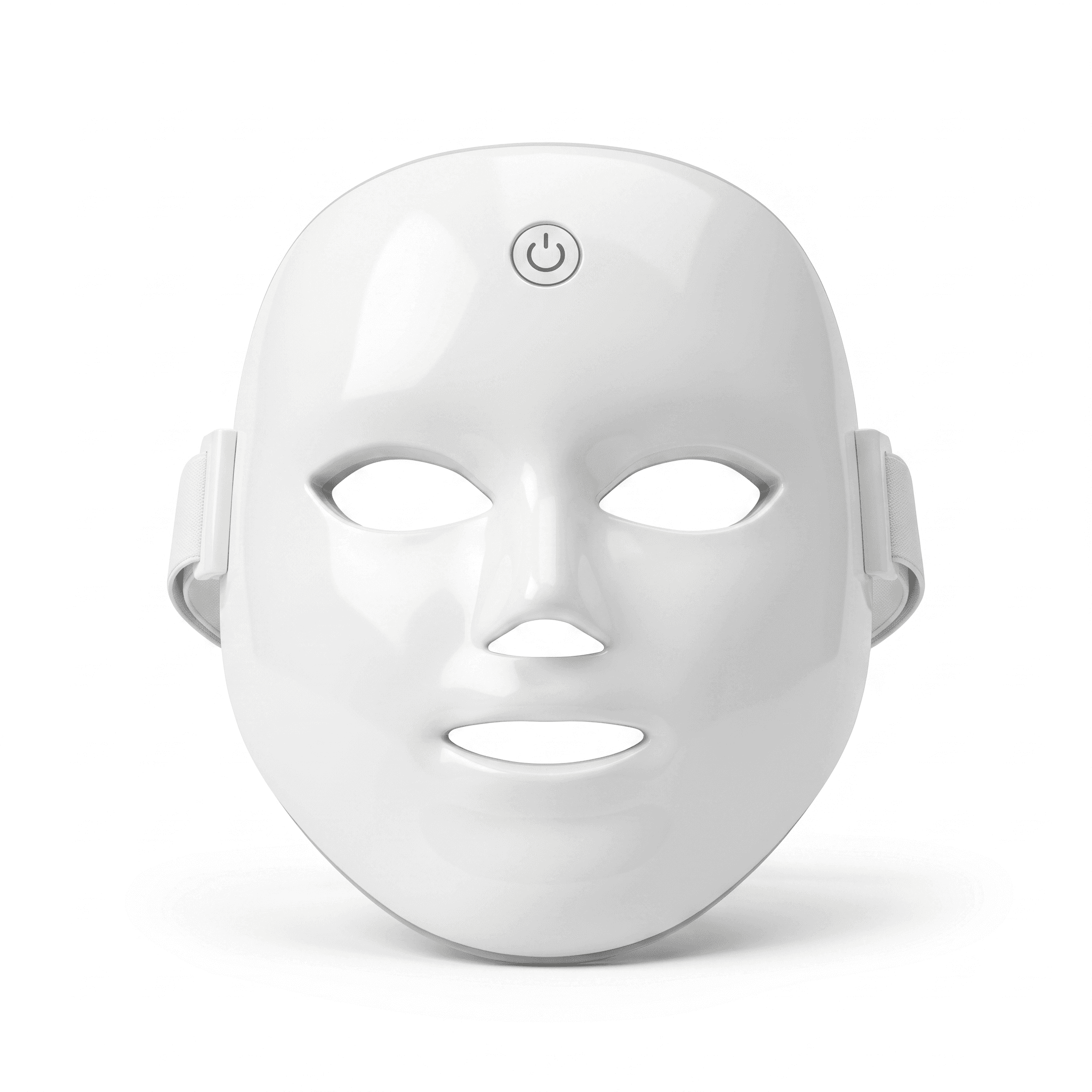
A multi-colour mask gives you more than one of these modes in a single device. Lumavir's red and blue 7 colour LED face mask offers seven visible light modes, including red for tone and blue for breakouts, so you can switch depending on what your skin needs that week. One safety note on blue light: it has been linked to hyperpigmentation risk on darker skin tones, so patch test and build up slowly if that applies to you.
What to look for in a budget mask under £100
The five things that actually matter on a budget mask are coverage, the light modes offered, a comfortable hands-free fit, eye protection and a treatment time you will stick to. Price is where budget masks win, so spend your attention on whether the cheaper mask still gets the fundamentals right.
- Coverage and LED count. More, evenly distributed LEDs mean more even treatment. A full-face mask treats everything at once, which a handheld wand cannot.
- The modes you will use. For anti-ageing support, you want red light. For breakouts, look for blue. A multi-colour mask covers more than one concern.
- Wireless and rechargeable. A mask tethered to the wall gets used less. Cordless masks let you wear them while you read or wind down.
- Comfort and weight. If it is heavy or the strap is poor, you will quit after five minutes. Weight and fit decide whether you finish the session.
- Honest expectations. Be wary of masks claiming clinical results without any testing to show. A reputable budget mask is upfront about what it can and cannot do.
On those measures a mask like the Lumavir 7 colour, with 90 LEDs, seven modes, a wireless design and a hands-free fit at £37.99, reads as strong value against masks costing twice as much.
How much should an LED face mask cost in the UK?
You do not need to spend a lot for affordable LED light therapy that works. UK prices fall into three rough tiers, and what rises with the price is LED density, published clinical testing and brand, not the wavelengths themselves.
- Entry, around £20 to £50. Wireless full-face masks with several colour modes. This is the sweet spot for a first affordable red light mask: you get the core benefit of regular red light at a low price that makes the habit easy to keep. The £37.99 Lumavir 7 colour mask sits here.
- Mid, around £50 to £110. High-street brand names with higher review counts. You are mostly paying for the brand and the in-store availability, not a different kind of light.
- Premium, around £300 to £400. Higher LED density and, importantly, published clinical testing. Worth it once you know red light therapy suits your skin and you will use it for years.
For most people new to it, a budget mask under £50 is the rational starting point. Cheap LED therapy is not a compromise on the light itself: it is a compromise on LED count, testing and brand, and for a first mask those matter far less than whether you actually use it.
Affordable LED therapy: at-home mask or salon sessions?
If you are searching for cheap LED therapy, the real choice is not between one mask and another. It is between owning a device and paying per session. Salon and clinic LED facials are priced per visit, prices vary widely by city and clinic, and the results depend on the same thing an at-home mask depends on: turning up regularly, week after week.
The at-home arithmetic is easy to check. A £37.99 mask used four times a week works out at around £2.40 a session in the first month alone, and the cost per session keeps falling every week the habit holds. A single professional session can cost as much as the mask itself, and a course of them almost always does. Clinics still make sense for higher-powered devices and professional supervision. For low price LED therapy you can sustain all year, an at-home mask is the affordable route.
Best budget LED face masks UK 2026, compared
How we picked: every mask here was judged on the five criteria above, coverage, modes, cordless design, comfort and honesty of claims, using retailer listings and spec sheets, UK search demand data from Google Keyword Planner, and the independent medical overviews linked in the safety section. Prices were re-checked against UK retailers and Google Shopping in July 2026. No brand paid to appear, and the comparison includes our own mask, clearly marked.
The budget end of the UK market, roughly £30 to £110, is where most people should start, with premium masks sitting at £300 to £400. Below is an honest side-by-side, including premium options so you can see the real trade-off rather than only our own mask.
| Mask | Price | LEDs / colours | Reviews | Best for |
|---|---|---|---|---|
| Lumavir 7 Colour LED Face Mask | £37.99 | 90 LEDs, 7 colour modes | Growing | Best value all-rounder: red and blue plus five more modes in one wireless mask |
| Yokilly 7 Colour | around £40 | 7 colour modes | Mixed | Seven colour modes from a different brand |
| Revolution Pro Miracle | around £54 | Red and blue | Modest | Budget high-street brand name |
| Stylpro LED | £55 to £100 by retailer | Multi-mode | Several hundred | Widely stocked on the high street |
| Silk'n LED 100 | around £120 | Multi-mode | Around 900 | Budget brand step-up |
| Shark CryoGlow | around £300 | LED plus under-eye cooling | Several hundred | Premium multi-tasker with cooling |
| CurrentBody Series 2 | around £400 | 132 LEDs, clinically studied | Thousands | Premium, with the most published testing behind it |
Competitor prices and review counts are indicative, last checked 17 July 2026 against UK retailer and Google Shopping listings, and change often. Check the retailer before buying. The Lumavir price is current.
LED therapy deals, sales and price drops: spotting a real discount
LED mask pricing is strongly seasonal. UK searches for LED face masks run at several times their summer level each November and December, and that is when retailers concentrate their promotions, so genuine price drops cluster around Black Friday and the gifting season. Shop in the quieter months and you are less likely to find a real LED therapy sale and more likely to meet an inflated "was" price.
Three quick checks separate a real deal from a staged one. Compare against the price the mask actually sells for most of the year, not the sticker RRP. Distrust permanent countdown timers. And see whether the discount holds up across more than one retailer. Our own approach is deliberately simple: the 7 colour mask is £37.99 with free UK shipping year-round, and the deepest savings we offer are multi-buy bundles at roughly 15% off a two-piece set and 20% off three, so the discount is checkable arithmetic rather than a countdown clock.
How to use an LED face mask
Use it on clean, dry skin for ten to twenty minutes, three to five times a week, then apply your serum and moisturiser afterwards while the skin is primed. Keep your eyes closed during the session and follow the guide in the box. Most people settle on a short routine they can actually keep, which matters far more than the occasional long session.
Expect to wait four to eight weeks of consistent use before you judge the difference. If you want to target specific areas alongside a full-face mask, the LED eye mask focuses on tired, puffy under-eyes, and the 4-in-1 skincare wand adds warmth and microcurrent for spot work. You can browse the full range on the LED therapy collection, or compare the best LED face masks by need in our wider roundup.
Safety and who should avoid it
LED therapy is non-invasive and uses no heat or harsh actives, so it suits most people, but a few should check with a professional first. If you have glaucoma or another eye condition, take photosensitising medication, or are pregnant, get medical advice before you start. If you have a darker skin tone, be cautious with blue light specifically, as it has been linked to hyperpigmentation risk. Always keep your eyes closed during a session, and stop if your skin reacts. This guide is general information, not medical advice.
For independent overviews of the evidence, see the Cleveland Clinic on red light therapy and LED light therapy, and Healthline's guide to red light therapy.
Frequently asked questions
- Do red light face masks actually work?
- Used consistently, yes, within realistic limits. Red and near-infrared light are studied in dermatology for supporting collagen activity, a more even tone and calmer-looking skin. It is not an overnight fix: most people give it four to eight weeks of regular use, a few short sessions a week, before judging results. At-home masks are gentler and less powerful than in-clinic devices.
- What does red light therapy do for your face?
- Red light is thought to prompt activity in the skin cells that support collagen and reduce the look of inflammation, which is why people use it for fine lines, uneven tone and post-breakout redness. It uses no heat or harsh actives, so it tends to suit sensitive skin and works gradually rather than dramatically.
- How long does red light therapy take to work?
- Plan for four to eight weeks of consistent use before you judge it. Most routines are ten to twenty minutes, three to five times a week. Shorter regular sessions beat occasional long ones, and results build over time rather than appearing after a single use.
- Are cheap LED face masks worth it?
- Often, yes. A well-made budget mask with good coverage, the right light modes and a comfortable hands-free fit delivers the core benefit of consistent at-home red light. You are paying more for a premium mask's clinical testing, higher LED density and brand, not for a different kind of light. If you will actually use it regularly, a budget mask is the sensible starting point.
- How much does an LED face mask cost in the UK?
- Budget LED face masks run from around £20 to £110, and a good wireless multi-colour mask sits near £38. Premium masks cost £300 to £400, where the extra money buys higher LED density and published clinical testing rather than a different kind of light. For a first mask, an affordable option under £50 is usually the sensible choice.
- Can I use an LED face mask if I have glaucoma?
- Speak to your doctor first. If you have glaucoma, another eye condition, or take photosensitising medication, get medical advice before using any LED device. Always keep your eyes closed during a session and follow the guidance in the box.
- Do cheap LED therapy masks work?
- A well-made cheap mask works on the same principle as a premium one: it delivers red, near-infrared or blue light at the studied wavelengths, and the light does not know what the device cost. What you give up at a lower price is LED density, published clinical testing and brand support, not the wavelengths themselves. The masks to avoid are the very cheapest no-name units with sparse LEDs, vague specifications and grand claims. Judge a budget mask on coverage, modes, comfort and honesty, then use it consistently.
- What is the best affordable red light therapy at home?
- For most people it is a wireless full-face LED mask under £50, used three to five times a week. Full-face coverage treats every area at once, a cordless design makes the habit easy to keep, and a multi-colour mask adds blue light for breakouts alongside red for tone. The £37.99 Lumavir 7 colour mask is our pick of the affordable red light masks for exactly those reasons.
- What is the best LED face mask on a budget?
- Look for full-face coverage, red and near-infrared light as a minimum, a cordless fit you will actually wear, and a specification the seller is willing to state plainly. On the comparison above, our pick is the Lumavir 7 colour mask at £37.99, with 90 LEDs and seven modes in a wireless design. The honest alternatives sit close to it: the Yokilly 7 colour is around £40 with more mixed feedback, and the Revolution Pro Miracle at around £54 buys a high-street brand name with red and blue only. Under about £50 you are choosing between coverage, modes and comfort, not between different kinds of light.
- What is the best red light face mask in the UK?
- The honest answer splits by budget, because price buys LED density, published testing and brand support rather than different wavelengths. Under £50, a wireless multi-colour mask such as the £37.99 Lumavir 7 colour covers the whole face and makes the routine easy enough to keep up. At the premium end, the CurrentBody Series 2 sits at around £400 and has the most published testing behind it, while the Shark CryoGlow at around £300 adds under-eye cooling. If you are buying your first mask, the sensible move is the affordable one you will use consistently.
- What is the best budget red light therapy device?
- For facial skin, a full-face mask beats a wand or a small panel at the same money, and the reason is coverage rather than power. A wand treats one area at a time and a panel needs you to sit still in front of it, while a cordless mask leaves your hands free for ten to twenty minutes and treats everything at once. That is why our budget pick is a mask, the £37.99 Lumavir 7 colour, rather than a cheaper single-point device that asks more of your evening.
- Is a salon LED facial or an at-home mask better value?
- For sustained use, the at-home mask wins on cost. A £37.99 mask used four times a week works out around £2.40 a session in its first month and keeps getting cheaper, while salon LED facials are priced per visit and a course of them quickly costs more than a mask. Clinics offer higher-powered devices and professional supervision, which some people prefer. If the goal is affordable LED therapy you can keep up all year, home use is the practical answer.
- Red light versus infrared, what is the difference?
- Red light, around 630 to 660 nanometres, is visible and works mostly at the surface for tone and fine lines. Near-infrared, around 830 to 1070 nanometres, is invisible and penetrates deeper to support circulation and repair. Many treatments combine both. Blue light is a separate, shorter wavelength aimed at the bacteria linked to breakouts.
Ready to start?
The Lumavir 7 colour LED face mask is £37.99 with free UK shipping and a 14-day money-back guarantee, so there is time to settle into a routine before you commit.