 LUMAVIR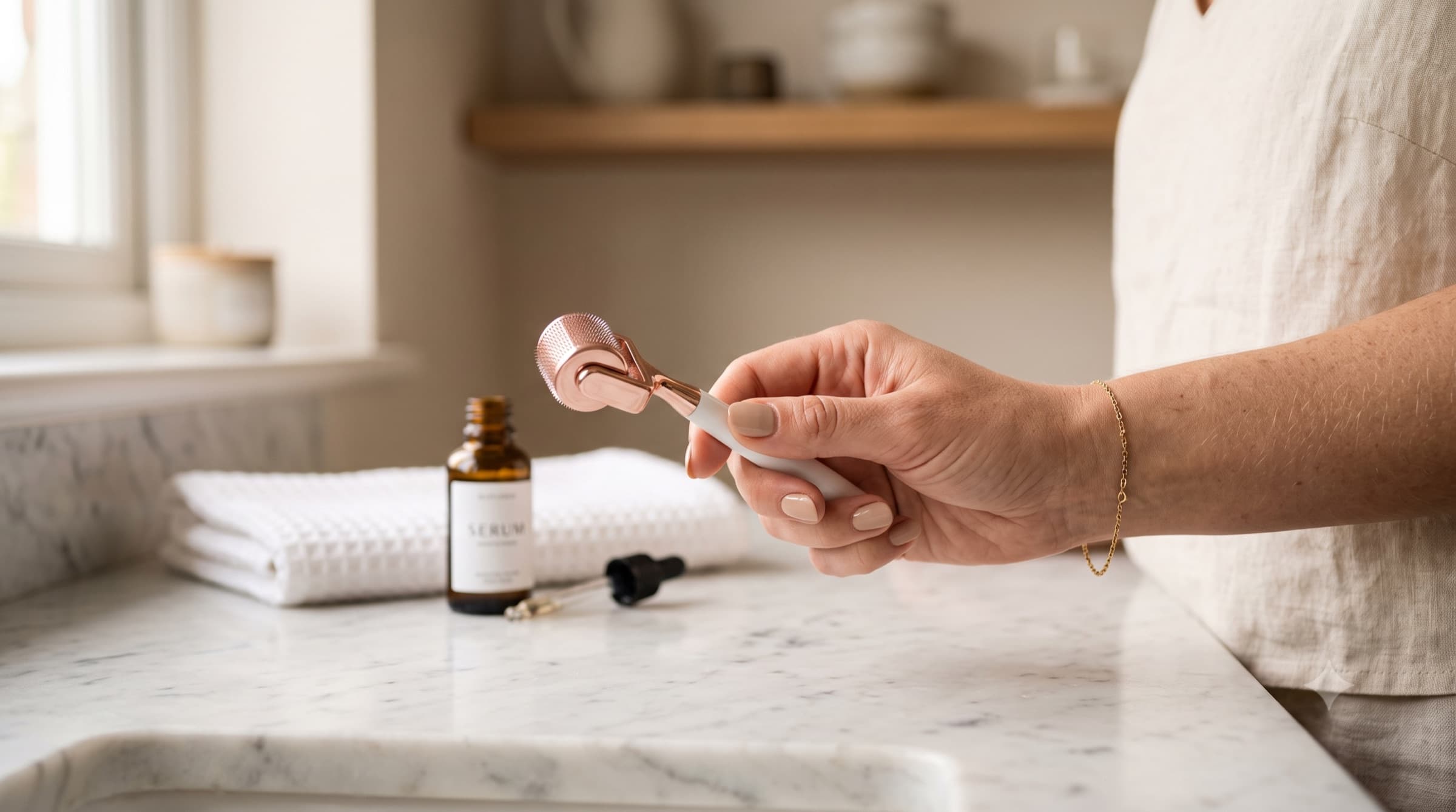
This guide cuts through the conflicting advice on needle length, explains what derma rollers actually do, and walks you through the hygiene and technique details that separate a safe, effective routine from a frustrating or damaging one.
What a derma roller does to your skin
A derma roller is a handheld tool with a drum covered in tiny needles. When rolled across clean skin, it creates controlled micro-channels: thousands of hairline punctures that trigger a healing response without breaking the skin barrier.
The mechanism is straightforward. Your skin perceives these micro-injuries and activates collagen and elastin production to repair them. Over weeks, this stimulus can improve texture, fine lines, and firmness. The tiny channels also allow serums and moisturisers to penetrate deeper than they would on undamaged skin, making your other skincare work harder.
Medical research supports this. A 2008 study published in the Journal of Drugs in Dermatology found four microneedling sessions produced a 400 percent increase in collagen deposition. Healthline notes this, though the study involved professional-grade needles in clinical settings, not at-home rollers.
At-home derma rollers produce milder results than professional microneedling or derma pens. You won't see the dramatic texture changes or scar reduction that a dermatologist with a 1.5 mm roller can deliver. But if you use a home roller consistently and keep it clean, you can expect noticeable, cosmetic improvement in skin smoothness and radiance over 8-12 weeks.
Which needle length is safe at home (why the advice disagrees)
Three major sources recommend different needle depths, creating confusion amongst users:
Medical News Today states that home dermarollers "have a needle length of less than 0.15 mm."
Dermatologists interviewed by NBC Select and other clinical sources place home use around 0.25 mm, with 0.5 mm marked as the entry point of professional territory.
Healthline recommends staying with "needles under 0.5 mm" and warns that anything longer "runs a higher risk of damaging skin."
Why the conflict? Home vs professional rollers serve different purposes. A 0.15 mm needle (MNT standard) is so shallow it mainly stimulates epidermis; it is the gentlest option for nervous first-timers or compromised skin. A 0.25 mm needle reaches the top of the dermis and balances safety with efficacy. A 0.5 mm needle reaches deeper into the dermis, triggering stronger collagen response, but demands careful technique and lower frequency.
Start with 0.25 mm if you are a cautious beginner or have sensitive skin. This is the sweet spot: deep enough to work, shallow enough to use safely 2-3 times per week. If your skin tolerates it, you can graduate to 0.5 mm (the 0.5 mm derma roller is our top home-use option). At 0.5 mm, use it no more than once per week, never on active breakouts, and drop back to 0.25 mm if you see excessive redness, irritation, or texture changes. Do not go deeper than 0.5 mm at home: 1.0 mm and beyond demand professional hands and aftercare.
| Needle Size | Best For | Frequency | Depth Reached |
|---|---|---|---|
| 0.15 mm | First-timers, sensitive skin | 3-4x per week | Epidermis only |
| 0.25 mm | Beginners, cautious routine | 2-3x per week | Top of dermis |
| 0.5 mm | Regular users, good skin | 1x per week maximum | Deeper dermis |
| 1.0 mm+ | Professional use only | Monthly or less | Deep dermis, subcutis |
Our 0.5 mm roller sits at the top of the home range. If your skin flares up, step down to 0.25 mm needles or reduce frequency to every 10 days.
Does derma rolling work for wrinkles and skin texture?
Yes, with the caveats that changes are gradual and modest.
Wrinkles and loose texture respond to the collagen stimulus derma rolling creates. The micro-injuries trigger fibroblasts (collagen-producing cells) to ramp up production over weeks. Fine lines soften first, usually around week 6-8. Deeper wrinkles and skin laxity improve more slowly, if at all, and typically require professional microneedling to reach the depth needed.
Healthline reports that users can expect to wait 6-12 weeks before noticing significant change. For aging signs or scarring, "it may take months before you see prominent changes." Results are clearest on fine lines and texture, with some people seeing obvious improvement and others very little. Genetics and baseline skin quality matter a great deal.
The serums you use alongside derma rolling also matter. Post-rolling, your skin is primed to absorb hyaluronic acid, vitamin C, and retinoids far more effectively. If you pair rolling with a good moisturiser and sunscreen, results compound. Some users also combine derma rolling with tools like a red light therapy wand to support collagen production further (see our LED face mask evidence guide for the research on light therapy).
Does derma rolling work for hair growth?
Hair growth is where the evidence becomes murkier, and honesty demands saying so.
Most research linking microneedling to hair growth is actually about combining microneedling with minoxidil (Rogaine). In studies reviewed by Healthline, microneedling at 0.5-1.5 mm combined with minoxidil applied twice daily produced better hair regrowth than minoxidil alone. Alone, microneedling's role in hair growth is far less clear.
The mechanism makes sense: scalp rolling should trigger collagen and blood flow, both beneficial for hair follicles. Healthline and dermatology sources support this theory. But the peer-reviewed evidence specifically for solo derma rolling without minoxidil is thin. Users report thicker, faster-growing hair after consistent scalp rolling, but robust clinical trials are lacking.
If you are considering derma rolling for hair, expect modest results. Use a 0.5 mm roller and roll your scalp 1-2 times per week. Hygiene is critical: scalp bacteria thrive in warm, moist conditions, so clean your roller thoroughly before and after each session. Do not over-roll, which can irritate the scalp or cause temporary hair shedding.
For faster, better-documented results, combine rolling with minoxidil. If you try solo rolling for 12 weeks and see no improvement, talk to a GP or trichologist about other options.
Derma rolling for beard growth
Beard growth claims rest largely on the same shaky foundation as scalp growth: extrapolated from studies of scalp microneedling, without robust solo-rolling trials. Dermatologists interviewed by NBC Select and others acknowledge this research gap.
The theory is sound. Derma rolling on the beard area stimulates collagen and blood flow to facial hair follicles, similar to scalp stimulation. Some users report faster beard growth and density after consistent rolling.
The reality: evidence is observational, not clinical. If you want to try it, roll your beard area 1-2 times per week at 0.5 mm, focusing on patchy zones. Expect 6-12 weeks before you judge results. Clean your roller before and after every session. Do not roll over active acne or ingrown hairs on the beard line. If irritation or ingrown hairs worsen, stop rolling and switch to a gentler approach (0.25 mm, once weekly) or abandon it entirely.
How to use a derma roller (step by step)
- Cleanse your skin thoroughly. Wash with a gentle cleanser and pat dry completely. Any dirt or bacteria on your skin can be driven deeper by the needle channels, risking infection. Do not apply serums or oils beforehand; the needles need direct contact with skin.
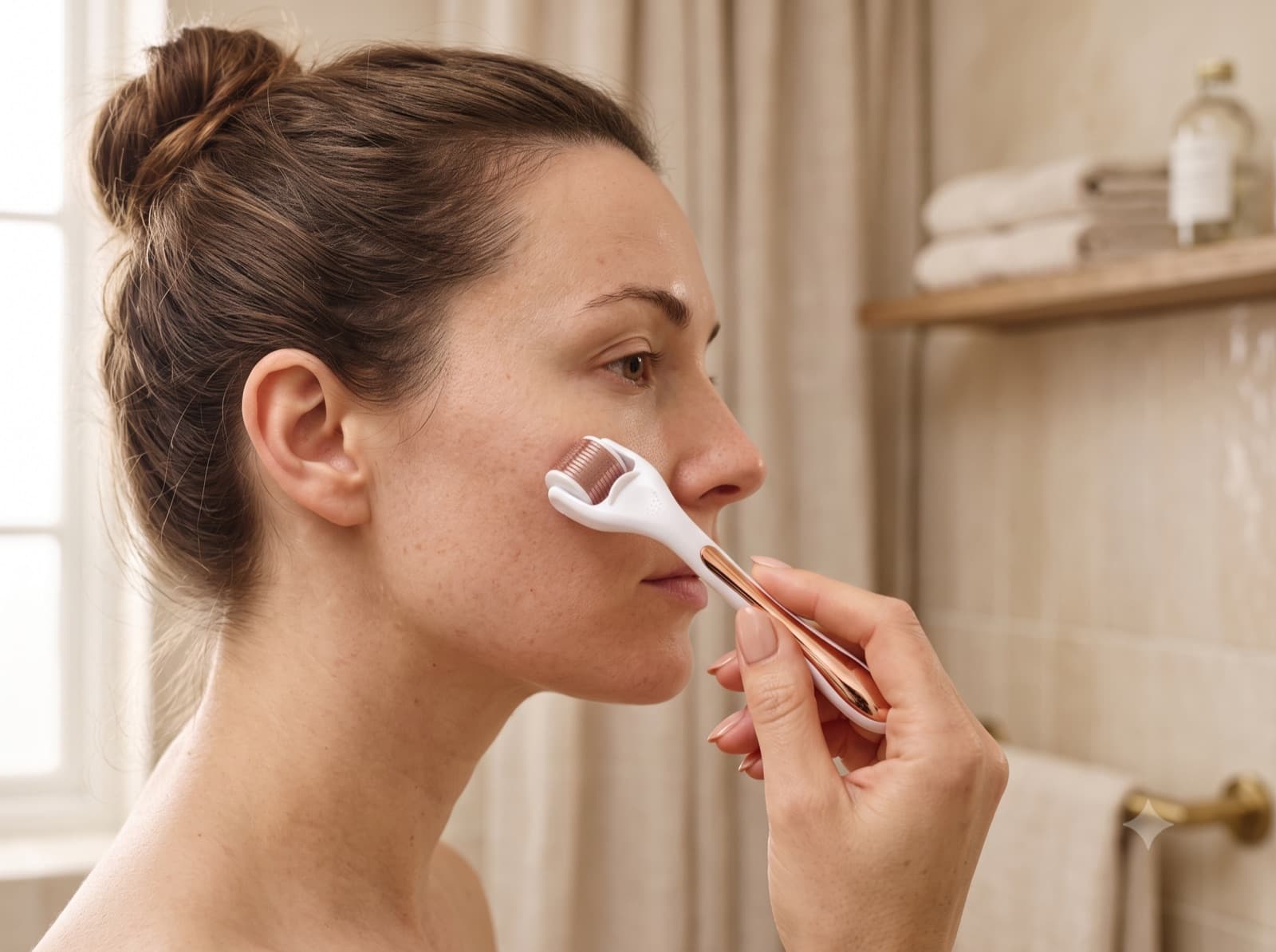
- Hold the roller at a 45-degree angle. Grip it lightly, like a pen. Pressing too hard damages skin and defeats the purpose.
- Roll in one direction across each zone. Do not roll back and forth over the same area (that increases trauma). Move across forehead, cheeks, chin, and neck in vertical or horizontal strokes. Four to six passes per zone is enough. Adjust based on your needle size: 0.25 mm can tolerate more passes; 0.5 mm should be lighter.
- Expect light redness and slight discomfort. Mild stinging is normal. Sharp pain or bleeding means you are pressing too hard. Stop.
- Apply hydrating serum, not active ingredients. Post-rolling, your skin is in micro-healing mode. Use a hyaluronic acid serum or gentle moisturiser, not retinol, vitamin C, or other actives. Actives on freshly rolled skin can cause irritation. Wait 12-24 hours before resuming retinoids or acids.
- Apply broad-spectrum SPF 30+. Rolled skin is more sun-sensitive. Sunscreen is non-negotiable.
Frequency guide by needle size:
- 0.15 mm: 3-4 times per week
- 0.25 mm: 2-3 times per week
- 0.5 mm: once per week maximum
Stick to this schedule. More rolling does not mean faster results; it means irritation and potential barrier damage.
Looking for skincare tools to pair with your rolling routine? Quality matters as much as technique.
Cleaning, storage and when to replace your roller
Hygiene is the single biggest factor separating effective rolling from risky rolling.
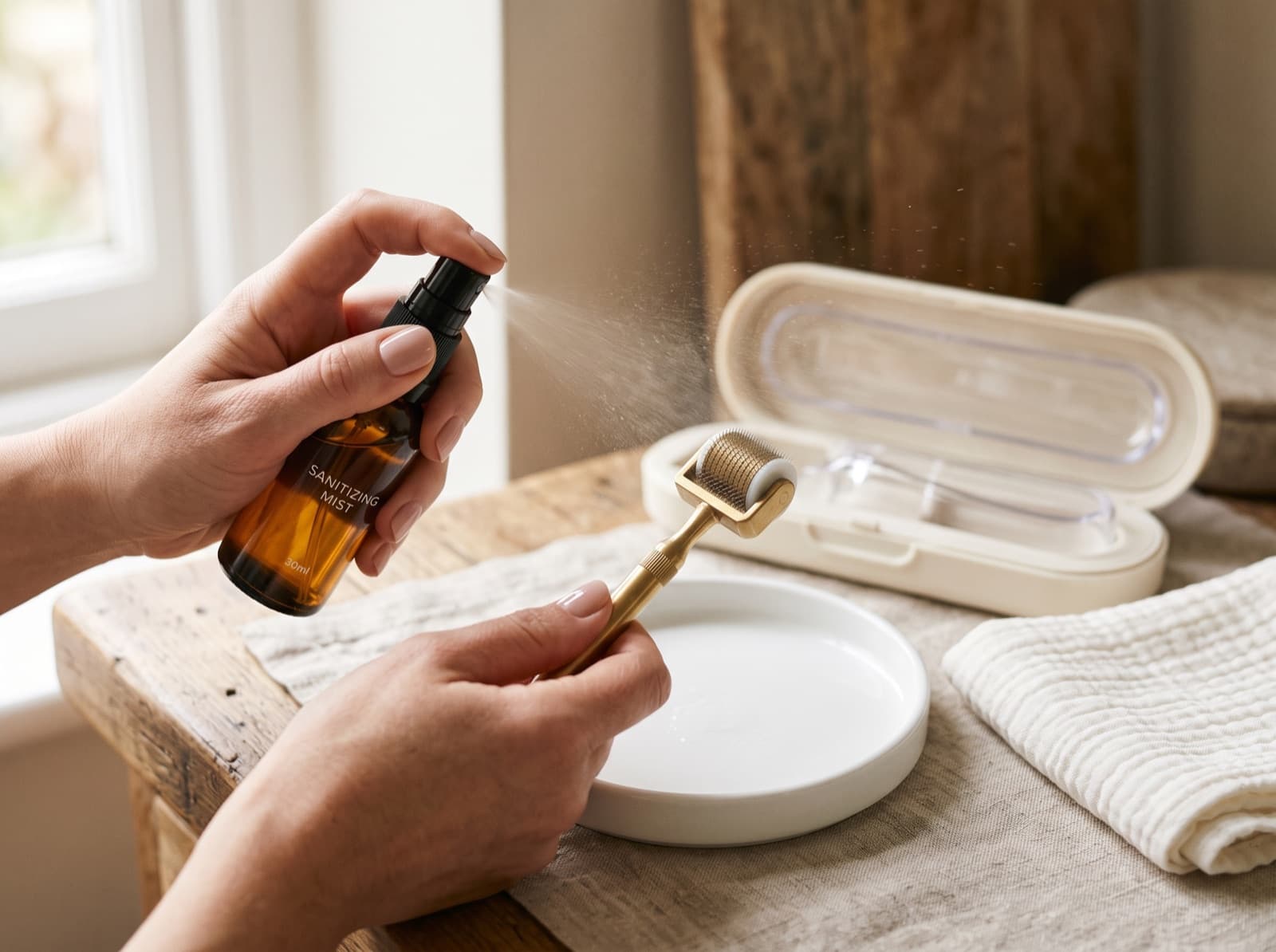
Before each use: spray your roller with 70 percent isopropyl alcohol. Let it air dry completely (2-3 minutes) before rolling. This kills bacteria and fungal spores.
After each use: spray again with 70 percent isopropyl alcohol and air dry in an upright position, needles facing up. Never store it damp.
Storage: keep your roller in a clean, dry case or container. Humidity breeds bacteria. Do not leave it on a bathroom counter where it collects dust.
Replacement timeline: dull needles do more harm than good. They tear skin instead of creating clean punctures. Replace your roller roughly every 10-15 uses or every 3 months, whichever comes first. If you roll twice weekly, expect to replace it every 5-8 weeks. Lumavir rollers and other quality tools typically last this long with proper care.
If your needle coating looks worn, grey, or patchy, replace it immediately. A fresh roller is cheap insurance against infection and irritation.
Side effects, skin tones and who should not derma roll
Common side effects after rolling:
- Redness and flushing: 24-48 hours, normal
- Mild swelling: especially around the eyes, subsides within a day
- Temporary tightness or dryness: soothe with hydrating serum and moisturiser
Serious risks (rare with proper technique):
- Infection: only if you ignore hygiene protocol
- Scarring: only if you roll too aggressively or use a needle that is too long
- Permanent skin darkening or texture change: from over-rolling or poor aftercare
Post-inflammatory hyperpigmentation (PIH) warning for darker skin tones:
Derma rolling stimulates an inflammatory response. In darker skin, this inflammation can trigger excess melanin production, leaving dark marks that fade slowly (weeks to months). If you have deeper skin tones, start with 0.25 mm, roll less frequently (once per week), and patch-test on a small, hidden area first. Stop immediately if you see post-rolling darkening. Do not roll over active breakouts or inflamed areas, which worsen PIH risk.
Who should not derma roll:
- Active acne, eczema, or psoriasis flare: rolling spreads bacteria and worsens inflammation
- Keloid history: your skin over-heals; microneedling can trigger keloids
- Rosacea (unless approved by a dermatologist): rolling often triggers rosacea flares
- Isotretinoin (Accutane) use or recent use (within 6 months): isotretinoin thins skin and impairs healing
- Tretinoin or other prescription retinoids (unless your dermatologist approves): ask your GP; some sources recommend stopping tretinoin 5-7 days before rolling
- Blood thinners (warfarin, aspirin therapy): increased bruising and bleeding risk
- Pregnancy (first trimester): no data on safety; ask your midwife or GP
If you are unsure, talk to your GP or dermatologist before starting.
Derma roller vs derma pen vs professional microneedling (UK costs)
| Tool | Typical UK Cost | Needle Depth | Best For | Evidence |
|---|---|---|---|---|
| Derma roller (0.25-0.5 mm) | £8-25 | 0.25-0.5 mm | Budget-conscious, home texture and product absorption | Modest, small studies; works at home with discipline |
| Derma pen (electric) | £50-150 | 0.5-2.0 mm | Faster treatment, more consistent depth; home or clinic use | Stronger than rolling; professional models used in clinics |
| Professional microneedling (clinic) | £150-350 per session | 1.0-2.5 mm | Deep wrinkles, scars, loose skin, bold results | Robust evidence; requires aftercare; multiple sessions recommended |
When to book a professional instead of rolling at home:
- Atrophic scars (depressed or pitted scars) deeper than 2 mm
- Significant stretch marks
- Deep wrinkles not responding to home care after 3 months
- Loose or sagging skin
- Large area of skin to treat (back, chest, legs)
- Keloid or hypertrophic scar risk (professional can manage this better)
Professional sessions typically require 3-6 treatments spaced 4-6 weeks apart. Aftercare is strict: no sun, no actives, careful washing for several days. Results are proportionally stronger.
Frequently asked questions
- Does derma rolling really work?
- Derma rolling produces modest, cosmetic improvements in skin texture and product absorption at home needle lengths. Results are gradual (6-12 weeks) and smaller than professional microneedling. Some people see obvious change in fine lines and texture, others very little. For hair growth, evidence is weaker and mostly extrapolated from microneedling-plus-minoxidil studies.
- What needle size is best for beginners?
- 0.25 mm is the sweet spot for cautious beginners. It reaches the upper dermis, triggers collagen response, and is shallow enough to use 2-3 times per week without high risk. 0.15 mm is gentler but less effective. 0.5 mm works but demands careful technique and once-weekly frequency.
- How often should you derma roll?
- Frequency depends on needle size: 0.25 mm can be rolled 2-3 times per week; 0.5 mm should be limited to once per week maximum. More often is not better. Your skin needs time to heal between sessions.
- Does derma rolling hurt?
- Mild stinging or slight discomfort is normal during rolling. Sharp pain or bleeding means you are pressing too hard. Stop immediately if pain is severe. Redness and light swelling after rolling are normal and fade within 24-48 hours.
- When will I see results?
- Most users notice texture improvement around week 6-8. Visible changes in fine lines or skin firmness typically appear by week 8-12. Deeper scars or wrinkles may take 3-4 months. Consistency matters more than frequency.
- Can derma rolling make skin worse?
- Yes, if technique is poor, hygiene is neglected, or you over-roll. Excessive rolling causes barrier damage, infection risk, and irritation. Poor cleaning risks bacterial infection. Using a needle that is too long or rolling too aggressively can cause scarring or darkening. Start gently, stay consistent, and clean your roller properly.
The home derma roller
The Lumavir 0.5 mm derma roller is the top of the home range. Pair it with a hyaluronic acid serum and SPF, use it once weekly, and you have everything you need for modest, steady improvements in skin texture. Free UK shipping and a 14-day money-back guarantee mean you can try it risk-free.
Sources
Healthline, "Do Derma Rollers Work?"
Medical News Today, "How to Use a Dermaroller"
Journal of Drugs in Dermatology, "Percutaneous Collagen Induction Therapy" (2008 study on collagen response to microneedling)
NBC Select reporting on dermatologist guidance on needle depths